
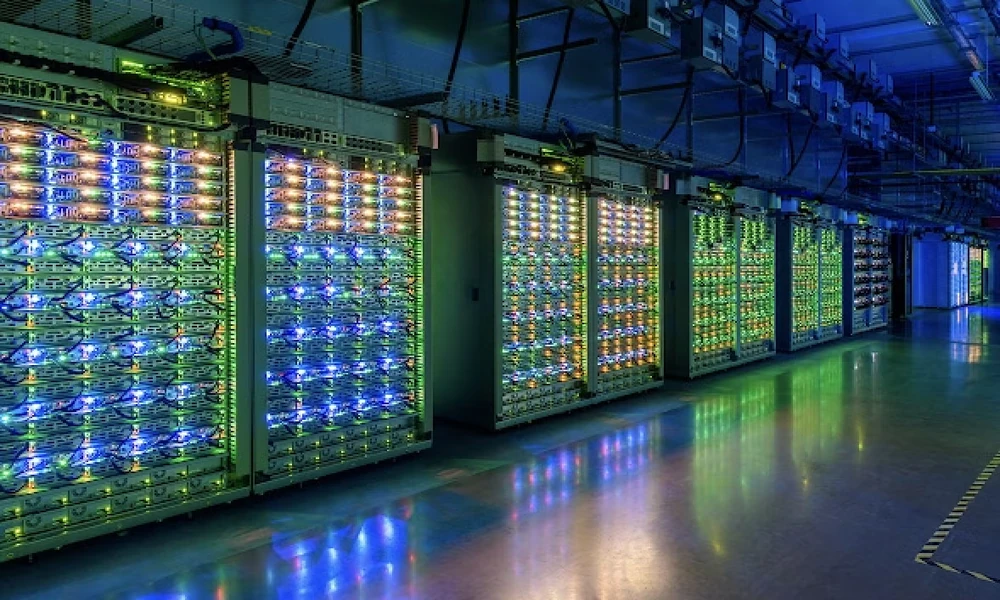
When data is the currency of business, uptime is its vault. Every second of downtime means lost revenue, shaken trust, and sometimes, chaos. So, how do modern data facilities keep the lights on, especially as technology leaps forward? The answer is written in the language of uptime standards, specifically, the benchmarks known as Tier 2 and Tier 3.
Origins of Uptime Standards in Data Facilities
Early Definitions and Industry Needs
In the early days of data centers, reliability was more a hope than a guarantee. Businesses built server rooms expecting occasional hiccups, but as digital operations took center stage, they demanded more. Outages became unacceptable, forcing the industry to seek clear, enforceable standards for uptime.
The Role of the Uptime Institute in Standardization
Enter the Uptime Institute, which formalized the now-famous Tier system. Each tier set the bar higher for resiliency, redundancy, and operational reliability. For the first time, organizations could compare facilities using a common yardstick.
Understanding Tier Classifications: Tier 1 to Tier 4
Overview of Tier 1 and Its Limitations
Tier 1 is the bare minimum, a single path for power and cooling, no redundancy, and an annual downtime limit of roughly 28.8 hours. It’s suitable for small businesses or non-critical applications, but not for enterprises that can’t afford lengthy outages.
Introduction to Tier 2 and Tier 3 Standards
Tier 2 ups the ante with some redundancy, typically in power and cooling components, but still relies on a single distribution path. Annual downtime drops to about 22 hours. Tier 3, however, is where things get serious: fully redundant subsystems and multiple power/cooling paths slash expected downtime to just 1.6 hours per year.
Evolution from Tier 2 to Tier 3: Key Differentiators
Infrastructure Redundancy and Fault Tolerance
The leap from Tier 2 to Tier 3 is measured not just in hours of uptime, but in architectural philosophy. Tier 3 facilities are built with N+1 redundancy, meaning there’s always at least one backup for every critical component. This allows planned maintenance without impacting operations; Tier 2 can’t offer the same.
Power and Cooling System Enhancements
Tier 3’s multiple independent distribution paths are a game changer. If one path is disrupted, say, due to equipment failure or maintenance, the other keeps everything running smoothly. Tier 2 lacks this flexibility, exposing it to higher risks during system upgrades or component failures.
Impact on Operational Sustainability
With enhanced redundancy, Tier 3 facilities can deliver near-continuous operations. This isn’t just about uptime percentages on a spreadsheet; it translates to real-world business continuity, regulatory compliance, and customer confidence.
Modern Interpretations of Tier 2 and Tier 3 Uptime Criteria
Modular Design and Scalability in Contemporary Data Centers
Today’s data centers are rarely static. Rapid growth, new technologies, and unpredictable demand require architectural flexibility. Modular design, a hallmark of leading facilities, lets operators scale their infrastructure as needed, both in size and capability.
Case Study: Montreal Data Center’s Modular Approach and 48-Hour Autonomy
A standout illustration is the Montreal-area data center designed with both Tier 2 and Tier 3 criteria in mind. At 109,000 square feet and 10 MW capacity, the facility features a modular building envelope and equipment strategy, ready to absorb two decades of technological shifts. Perhaps most impressive is its generator system: it can power the entire center for 48 hours without refueling, safeguarding against regional outages and supply chain hiccups. As a practical example, the Stendel + Reich data center architect project embodies these principles, making it a reference point for adaptive, resilient design.
Integration of Advanced Backup Systems and Generators
The bar for backup systems is higher than ever. Tier 3 facilities typically deploy multi-layered generator arrays, fuel storage, and automated transfer switches. These features ensure that even if one system fails, another seamlessly picks up the load, eliminating the need for urgent repairs or risky workarounds.
Operational and Maintenance Practices Influencing Uptime
Scheduled Maintenance vs. Unplanned Downtime
Tier 2 facilities often require partial shutdowns for maintenance, unavoidable and disruptive. Tier 3’s redundant pathways allow technicians to service equipment without interrupting service. This difference isn’t just technical; it’s operational. Predictable, managed downtime fosters smoother business operations and fewer surprises.
Monitoring and Automation Technologies
Modern data facilities rely on advanced monitoring tools to track equipment health, environmental conditions, and network integrity. Automation further reduces human error, responding to anomalies before they spiral into outages.
Future Trends in Tier Standards and Data Facility Reliability
Emerging Technologies Shaping Uptime Expectations
Energy storage, AI-driven predictive maintenance, and software-defined infrastructure are changing the game. These advances promise even tighter uptime margins and more responsive, autonomous operations.
Anticipated Changes in Uptime Institute Criteria
As technology evolves, so do the standards. The Uptime Institute is beginning to account for new threats and innovations, including cybersecurity risks and green energy integration. The definitions of each Tier will likely keep shifting to match these realities.
Balancing Cost, Performance, and Uptime: Strategic Considerations
Investment Implications of Tier 2 vs. Tier 3 Designs
Building to Tier 3 standards costs more up front, redundant systems, larger footprints, sophisticated controls, but the return comes in the form of reduced risk and lower costs associated with outages. For many organizations, especially those with mission-critical workloads, these trade-offs are non-negotiable.
Long-Term Benefits of Enhanced Uptime Standards
In the end, the shift from Tier 2 to Tier 3 isn’t just about engineering. It’s about resilience, adaptability, and the confidence to tackle whatever tomorrow brings. As data becomes ever more central to business, the standard for uptime will only go up. Choosing the right Tier level is less a technical decision, and more a statement of intent: how much risk can you afford, and how prepared do you want to be?
