
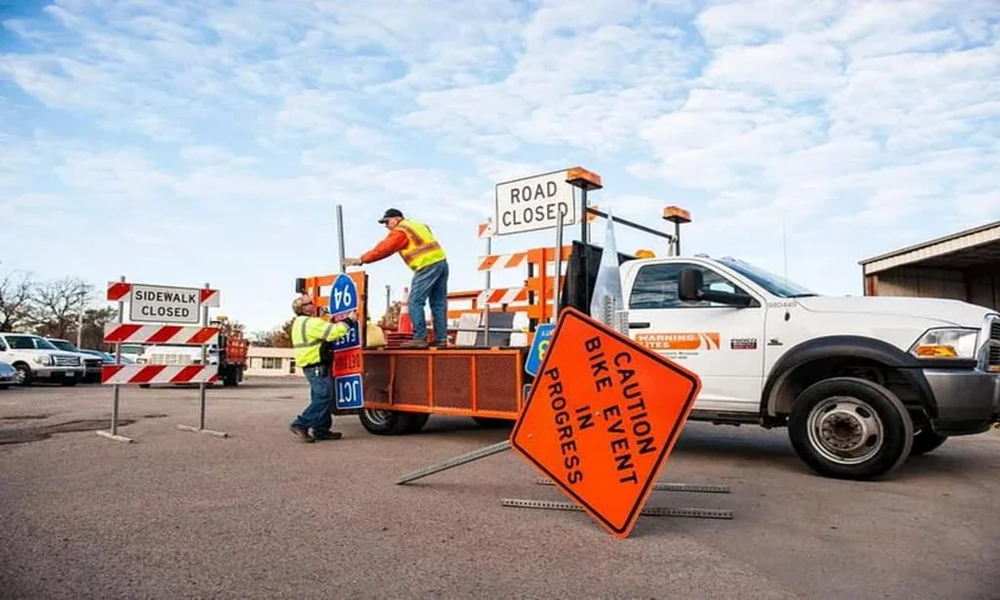
Chaos erupts in seconds when cars and construction activities collide. Every year, dozens of work zones become the scenes of preventable injuries and frustrating traffic snarls. Why do these incidents keep happening? The answer often lies in misconceptions about traffic control’s purpose and value.
Why Traffic Control is Often Underestimated on Construction Sites
Misconception 1: Traffic Control is Just About Putting Up Signs
Many believe traffic control means little more than staking orange signs in the grass. This mindset overlooks the complex choreography needed to keep both drivers and workers safe. True traffic management is an ongoing, adaptive process that adjusts to changing site conditions, weather, and traffic volume.
The Real Role of Traffic Control in Ensuring Safety
Proper traffic control isn’t passive. It involves real-time decision-making, constant communication, and the expertise to anticipate hazards before they happen. A trusted team, like Salus Traffic Control, specializes in this dynamic approach, designing solutions that go far beyond simple signage and cones.
Myth 2: Flagging Crews Are an Unnecessary Expense
How Skilled Flaggers Prevent Accidents and Delays
Flaggers do far more than wave paddles. Their vigilance helps prevent confused motorists from blundering into work zones, protects workers from oncoming vehicles, and manages the unpredictable flow of traffic in real time. Imagine a single distracted driver, without proper flagging, the risk of disaster multiplies.
Case Studies: Cost Savings Through Proper Flagging
Consider the hidden costs when flagging is neglected: project delays due to accidents, costly legal claims, and loss of public trust. Studies have shown that sites with trained flagging crews experience significantly fewer incidents, reducing both insurance premiums and downtime.
Misbelief 3: Lane Closures Always Cause Major Traffic Jams
Strategic Lane Closures to Minimize Congestion
Not every lane closure spells gridlock. When executed with precision, lane reductions keep cars, and construction, moving. The secret is strategic timing, clear advance warnings, and smart phasing of the closure to minimize peak-hour disruption.
The Impact of Efficient Traffic Control Plans on Traffic Flow
Well-designed traffic control plans prioritize both safety and flow. By analyzing traffic patterns and leveraging tools like variable message boards, crews can reroute vehicles smoothly, ensuring drivers stay informed and frustration stays low.
Myth 4: Traffic Control Plans Are One-Size-Fits-All
Why Customized Plans Matter for Different Project Types
No two construction sites are identical. A downtown road repair faces challenges vastly different from a suburban lane expansion. Customized traffic control plans account for unique risk factors, such as school zones, business access, and emergency routes.
Collaboration Between Traffic Experts and Construction Teams
Effective safety isn’t imposed; it’s built through collaboration. Traffic control experts work closely with construction managers, blending technical know-how with a deep knowledge of local roads to devise plans that work for everyone on site.
Misconception 5: Safety is Solely the Workers’ Responsibility
The Shared Duty of Protecting Workers and the Traveling Public
Safety is a collective responsibility. Motorists, project managers, workers, and traffic control crews each play a vital part. When any link in the chain weakens, say, a missing sign or inattentive driver, everyone is at greater risk.
How Proper Traffic Control Creates Safer Work Zones
By clearly marking hazards, directing vehicles, and creating buffer zones, quality traffic control dramatically lowers injury rates for both workers and passersby. The result is not just fewer accidents, but a sense of order amid construction chaos.
Myth 6: Traffic Control Is Only Necessary for Large Projects
Small Projects and Residential Areas: Why Traffic Control Still Matters
It’s tempting to skip traffic control on quick jobs or in quiet neighborhoods, but statistics show that confusion and accidents can happen anywhere. Pedestrians and local drivers are often more surprised by sudden work zones in these settings, increasing the risk.
Examples of Incidents Prevented by Proper Control in Small Zones
From a utility repair in a cul-de-sac to a sidewalk upgrade, incidents drop sharply when proper barricades and flaggers are in place. Property damage, injuries, and community complaints are all mitigated with the same professionalism applied to major roadways.
The Ultimate Benefit: How Proper Traffic Control Saves Lives and Enhances Efficiency
The Balance Between Safety and Productivity
At its core, effective traffic control isn’t a roadblock to progress, it’s what makes progress possible. Jobs run on schedule when accidents are avoided, and experienced crews transition seamlessly as project phases evolve.
Long-Term Advantages for Construction Companies and Communities
Investing in robust traffic management does more than keep regulators happy; it builds trust with clients, protects reputations, and ensures the well-being of everyone who passes through a work zone. In the end, the safest sites are also the most productive and respected.
When the right people and plans are in place, construction zones shed their reputation for danger and delay. Instead, they become examples of how careful preparation and skilled execution can keep our roads, and our communities, moving forward safely.
