
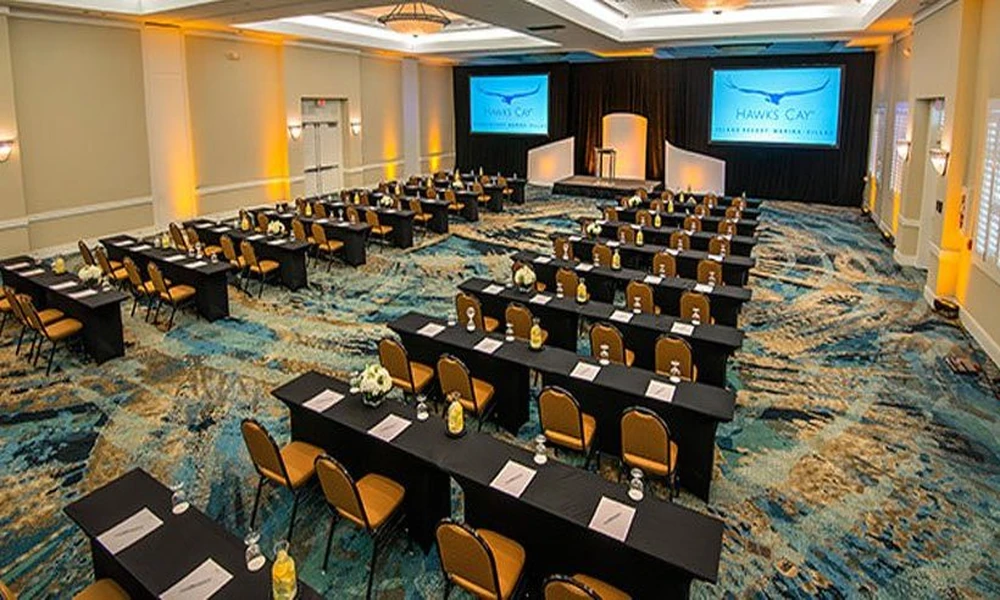
A corporate event can serve many purposes. It may bring employees together, introduce a new product, celebrate a company milestone, host clients, support networking, or create a more relaxed setting for team building. Whatever the goal, the venue has a major influence on how the event feels and how smoothly it runs.
The right space should support the number of guests, the event format, food and beverage needs, presentations, networking, and any entertainment planned for the day or evening. It should also feel professional without becoming overly formal. Companies planning a business gathering in Montreal may consider a Riverside corporate event venue when comparing private and semi-private spaces for professional events.
Why the Venue Matters So Much
The venue shapes the first impression of the event.
Guests notice the location, layout, atmosphere, lighting, seating, and overall organization almost immediately. Even a well-planned agenda can feel less effective if the room is too small, too noisy, or poorly suited to the type of gathering.
A good corporate venue should support the event rather than create extra problems.
It should make it easier to:
- Welcome guests
- Encourage conversation
- Serve food and drinks
- Deliver presentations
- Organize seating
- Move between activities
- Create a professional atmosphere
When these elements work together, the event feels more intentional.
What Type of Corporate Event Are You Planning?
Before comparing venues, companies should define the type of event they are hosting.
Different events need different spaces.
Networking Events
These usually benefit from open layouts that allow guests to move around easily.
Team Celebrations
A more relaxed environment may work better for company parties, achievements, or employee appreciation events.
Client Events
The venue should feel polished and comfortable, especially when the event is intended to strengthen business relationships.
Product Launches
Space may be needed for displays, demonstrations, branding, photography, and presentations.
Holiday Parties
These often require a mix of dining, socializing, music, and entertainment.
Workshops or Meetings
Seating, presentation equipment, and quieter areas may be more important.
Defining the event format first makes it much easier to choose the right venue.
Why Guest Count Should Be One of the First Decisions
A venue that is too small can feel crowded, while one that is too large may feel empty.
This is why companies should estimate attendance before booking.
Consider:
- Confirmed guests
- Expected additional attendees
- Staff
- Vendors
- Speakers
- Entertainment
- Event support personnel
The room should provide enough space for everyone without sacrificing atmosphere.
It is also useful to think about how guests will move through the space.
A cocktail-style event needs more standing and circulation room, while a seated dinner needs space for tables, chairs, and service paths.
Private vs Semi-Private Event Spaces
Corporate planners may need to decide between a fully private venue and a semi-private area.
Private Events
A private event typically gives the company exclusive use of a defined space.
This can be useful when:
- Confidential discussions are planned
- Branding is important
- Presentations need quiet
- The company wants more control over the environment
Semi-Private Events
A semi-private area may provide a dedicated section within a larger venue.
This can work well for:
- Smaller groups
- Informal networking
- Team celebrations
- Client drinks
- Casual business gatherings
The best choice depends on the level of privacy and control required.
Why Location Is Important for Attendance
Even an attractive venue may not be ideal if it is difficult for guests to reach.
Companies should consider:
- Public transportation
- Taxi and rideshare access
- Parking
- Nearby hotels
- Travel time from offices
- Accessibility for out-of-town guests
A convenient location can improve attendance and reduce stress before the event begins.
For evening events, transportation becomes even more important because guests may be traveling after work or returning home late.
How Layout Affects Networking
Corporate events often depend on conversation.
A venue with poor circulation can make networking difficult.
People should be able to move naturally between:
- Seating areas
- Food stations
- Bars
- Presentation spaces
- Entrances
- Restrooms
Standing areas and smaller conversation zones can help create a more social atmosphere.
If every guest is seated at a fixed table for the entire event, spontaneous interaction may be limited.
For networking-focused events, flexibility in the room layout can be a major advantage.
Why Food and Beverage Planning Matters
Food and drinks can strongly influence the guest experience.
The menu should match the type and timing of the event.
Possible formats include:
- Cocktail reception
- Passed appetizers
- Buffet
- Seated meal
- Light refreshments
- Dessert service
A short networking event may only need light food, while a longer evening celebration may require a more complete meal.
Companies should also consider dietary restrictions and make sure guests have appropriate options.
Good food service helps the event feel more organized and welcoming.
How Lighting Can Change the Atmosphere
Lighting affects whether a corporate event feels formal, relaxed, energetic, or intimate.
Bright lighting may work well for presentations and workshops, while softer lighting can create a better environment for dinners and social events.
A venue with adjustable lighting provides more flexibility.
For example, the room may start brighter during speeches or presentations and become more relaxed later in the evening.
Lighting also matters for photography, especially if the company plans to use event images for internal communication or marketing.
Why Audio and Presentation Needs Should Be Planned Early
Some corporate events require:
- Microphones
- Speakers
- Screens
- Projectors
- Presentation areas
- Music
- Video playback
These needs should be discussed before the event.
A presentation that works perfectly on a laptop can still fail if the room lacks the correct connection, audio setup, or visibility.
Companies should confirm whether technical equipment is available or whether outside equipment must be arranged.
Testing everything before guests arrive can help prevent delays.
How Branding Can Be Integrated Into the Venue
Corporate events often include visual branding.
This may include:
- Company logos
- Branded signs
- Presentation screens
- Step-and-repeat backgrounds
- Table signage
- Product displays
The venue should provide enough space for these elements without making the room feel crowded.
For client events and product launches, branding can help create a stronger connection between the physical event and the company identity.
However, branding should be integrated thoughtfully.
Too much signage can make the event feel more like an advertisement than a social experience.
Why Guest Comfort Matters
Guests are more likely to enjoy an event when they feel comfortable.
This includes:
- Appropriate seating
- Comfortable room temperature
- Easy restroom access
- Enough space to move
- Good acoustics
- Accessible entrances
Even small discomforts can affect how people remember the event.
If the room is too hot, too loud, or overcrowded, guests may leave earlier than expected.
Comfort should therefore be considered just as seriously as décor.
How Entertainment Can Improve Corporate Events
Entertainment can make a business event feel more memorable.
- Live music
- DJs
- Photo booths
- Interactive activities
- Performers
- Games
The entertainment should match the event’s purpose.
A client dinner may benefit from subtle background music, while a company holiday party may support something more energetic.
The goal is to enhance the atmosphere rather than distract from the reason people are there.
Why Event Flow Should Be Planned in Advance
A corporate event should have a natural rhythm.
Guests may move through stages such as:
- Arrival
- Registration
- Drinks or networking
- Presentation
- Food service
- Entertainment
- Informal social time
- Departure
Each transition should feel smooth.
If people are unsure where to go or what happens next, the event can feel disorganized.
A good venue layout and clear event schedule help maintain flow throughout the evening.
How to Handle Speeches and Presentations
Many corporate events include formal remarks.
These may come from:
- Executives
- Managers
- Clients
- Partners
- Guest speakers
The presentation area should be visible and audible to everyone.
Avoid positioning speakers in areas where guests must turn awkwardly or where background noise is too strong.
Short, well-timed speeches often work better than long presentations during social events.
The venue should support the format without allowing the formal portion to dominate the entire evening.
Why Photography Matters at Corporate Events
Professional photography can be valuable for:
- Internal newsletters
- Social media
- Company websites
- Employer branding
- Event recaps
- Future promotions
The venue should offer visually attractive areas where photos can be taken without interfering with guest movement.
Companies may also consider a photo booth or branded photo area to encourage more casual participation.
This can create a mix of formal and informal event images.
What Should You Ask Before Booking a Corporate Venue?
Before confirming a space, planners should ask several practical questions.
These may include:
- What is the guest capacity?
- Is the space private or semi-private?
- What food and beverage options are available?
- Is audiovisual equipment available?
- Is there space for branding?
- What setup time is included?
- Are there restrictions on entertainment?
- What is the cancellation policy?
- Is the venue accessible?
- What time must the event end?
Clear answers help prevent surprises later.
Why a Site Visit Can Be Helpful
Photos are useful, but they may not fully show how the room feels.
A site visit can help planners understand:
- Actual room size
- Lighting
- Seating
- Noise
- Guest flow
- Entry points
- Branding possibilities
- Presentation areas
Walking through the space can also make it easier to imagine the event schedule.
This can help identify potential problems before the booking is finalized.
How a Good Venue Supports Company Culture
Corporate events are also an opportunity to reflect company culture.
A formal professional services firm may want a polished setting, while a creative company may prefer something more relaxed and energetic.
The venue should fit the personality of the organization and the purpose of the event.
When the setting feels aligned with the company, the experience can feel more authentic to employees and clients.
Common Corporate Event Planning Mistakes
Several mistakes can reduce the quality of a business event.
Booking Before Estimating Attendance
This can lead to a room that is too large or too small.
Ignoring Acoustics
A beautiful venue may still be difficult for conversation if it is too noisy.
Leaving Technical Planning Until the Last Minute
Presentations and speeches need reliable equipment.
Choosing an Inconvenient Location
Travel difficulties can affect attendance.
Overloading the Schedule
Guests need time to talk and enjoy the event.
Forgetting Dietary Requirements
Food planning should consider different guest needs.
Avoiding these issues can make the event much smoother.
Final Thoughts
Choosing a corporate event venue requires more than finding an attractive room. The space should support the purpose of the event, number of guests, food service, networking, presentations, entertainment, and overall guest comfort.
The strongest corporate events feel organized without becoming rigid. Guests should be able to arrive easily, understand the flow of the event, interact comfortably, and enjoy the setting.
By considering location, capacity, layout, privacy, technical needs, food, lighting, and entertainment early in the planning process, companies can create an event that feels professional, welcoming, and memorable from the moment guests arrive.
